
What to Do If You are Scammed in Turkey?
Falling victim to a scam in Turkey can be distressing, especially when you’re unfamiliar with the local legal system. Understanding your rights and the necessary steps to take can offer reassurance and a pathway to resolution.
For the full legal framework on fraud in Turkish law — definition, elements, penalties and your rights as a victim — see the main guide.
What is a Scam in Turkish Law?
In Turkish law, a scam equates to fraud, characterized by deceptive actions leading to financial or material gain at the victim’s expense. Essential elements include deceitful acts, benefiting from these actions, and resulting harm to the victim or a third party.
What Separates a Scam from a Monetary Dispute?
Distinguishing a scam from a monetary dispute hinges on the presence of deceit. Without deceptive conduct, even if financial gain occurs unjustly, the matter typically falls within civil dispute territory, not criminal fraud.
What Should Be the First Steps to Take if You are a Victim of a Scam in Turkey?
If you are scammed in Turkey, your first step should be to gather relevant evidence. Evidence of scam includes but is not limited to:
- Signed contracts, if any
- Invoices, if any
- Written correspondence with the scammer
- Any kind of proof of payment to the scammer including bank transfer documents, signed cash receipts, credit card slips
- Any documents or photos related to the delivery of goods, if any.
After you gather your evidence, it is crucial that you consult a Turkish criminal lawyer who is experienced in fraud cases.
How to Complain About a Scam in Turkey?
Victims should file a criminal complaint with the prosecutor’s office, highlighting the scam’s deceptive aspects to avoid dismissal as a mere legal dispute. Expert legal representation by a Turkish criminal lawyer is crucial to underscore the fraudulent nature of the case effectively.
What is the Penalty for Scamming a Person in Turkey?
Penalties for scams in Turkey range from 1 to 20 years in prison, varying with the scam’s nature, involved parties, and the impact on the victims.
What are Some Examples of Scam in Turkey?
Some common examples of scam in Turkey are:
Turkish carpet scam
Turkish carpet scam means misrepresenting the value, qualities or origin of carpets to overcharge tourists.
Investment scam in Turkey
Investment scam in Turkey means fake opportunities promising high returns to swindle investors.
Turkish real estate scam
Turkish real estate scam means deceiving buyers about property features or ownership, leading to financial losses.
Credit card scam
Credit card scam in Turkey means unauthorized use of credit card information to make fraudulent purchases.
Restaurant scam or nightclub scam
Turkish restaurant scam or Turkish nightclub scam means Inflating prices or charging for unsolicited items, primarily targeting foreign visitors.
Turkish Criminal Lawyer Baris Erkan Celebi and his law firm in Turkey provide comprehensive legal services to address scams in Turkey, from initial criminal complaints to pursuing compensation through civil litigation. Victims of scams in Turkey are highly advised to consult a Turkish Criminal Lawyer.
- Author Av. Baris Erkan Celebi
- Barış Erkan Çelebi Founder of Turkish Law Firm

How to Report a Scam in Turkey in 5 Steps? If you have fallen victim to a scam in Turkey or suspect you may have been targeted, follow these simple steps: Attorney Video Briefing In this video, Turkish lawyer Baris Erkan Celebi explains a critical...

Fraud · Scam · Loss Recovery · Turkey Investment Fraud & Loss Recovery Criminal Complaints, Compensation & Loss Recovery in Turkey Foreign investors can face financial losses in Turkey, most often when investments are made without proper legal due diligence. Common issues include fraudulent schemes,...
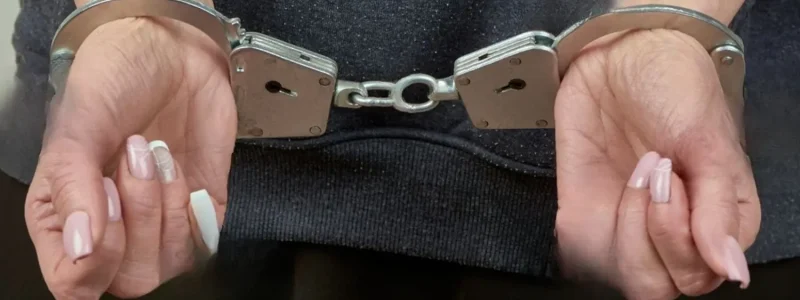
WHAT TO DO IF YOU ARE DETAINED OR ARRESTED IN TURKEY? Finding yourself detained or arrested in a foreign country can be a distressing experience. Here’s a clear guide on what to do if you, or someone you know, is arrested in Turkey or detained...