
TURKEY’S UPCOMING CRYPTOCURRENCY LAWS: New Regulations for Turkish Crypto Exchanges
The new draft cryptocurrency law in Turkey, when passed, is going to bring important changes, starting with the amendment of the Law on Capital Markets numbered 6362. This legal notice discusses the most important conclusions that can be drawn from the leaked cryptocurrency law in Turkey.
Is Crypto Allowed in Turkey?
According to the new Turkish crypto law draft, yes, crypto assets are considered digital money. Under the proposed Turkish cryptocurrency regulation, the selling, buying, storing, brokering, public offering, advertising, transferring and advising on crypto assets are all regulated by the Turkish Capital Markets Board (or “SPK”).
In other words, once the new Turkish cryptocurrency law comes into effect, cryptocurrencies are going to be considered an asset class under the jurisdiction of the Capital Markets Board that regulates financial securities and commodities.
Can Anyone Start a Turkish Crypto Exchange?
Starting and operating Turkish crypto exchanges (such as BTC Turk, Paribu and Binance), initial coin offerings (coin launches in Turkey) and any other crypto-related commercial activities are not allowed without an explicit permit from Turkish Capital Markets Board (or “SPK”)..
How is a Turkish Crypto Exchange Defined?
The scope of the upcoming cryptocurrency law in Turkey is not limited to the cryptocurrency exchange platforms based in Turkey. According to Turkey’s new cryptocurrency law, exchanges located abroad must obtain a permit to engage in activities pertaining to Turkish residents. Opening an office in Turkey, operating a website in Turkish, or promoting crypto-related services in collaboration with Turkish residents or entities are considered activities pertaining to Turkish residents and therefore require a permit by the Turkish Capital Markets Board (or “SPK”).
Once the new Turkish cryptocurrency law comes into effect, cryptocurrency exchange platforms will have one month to either obtain a permit or cease their activities related to Turkish residents.
Is it Possible to Introduce New Crypto Coins in Turkey?
According to the draft cryptocurrency rules in Turkey, the Turkish Capital Markets Board (or “SPK”) will determine the permissible coins for trading on platforms and has the authority to suspend coin trading activities.
What are the New Cryptocurrency Regulations in Turkey?
Once the new Turkish cryptocurrency law comes into effect, cryptocurrency rules in Turkey governing the establishment and commencement of operations, partners, managers, staff, capital, capital adequacy, obligations, information systems and technological infrastructure, share transfers, permissible activities, temporary or permanent cessation of activities, and the rules to be complied with during the operations of crypto asset service providers will be determined by the Capital Markets Board (SPK).
How are Customer Funds and Crypto Assets Protected in Turkish Crypto Exchanges?
According to Turkey’s new crypto laws, there are provisions mandating the complete separation of customer funds and their crypto assets from those of Turkish cryptocurrency exchanges. This separation ensures that customer funds and crypto assets cannot be seized, frozen, sequestered, liened, or included in bankruptcy proceedings resulting from the insolvency of Turkish cryptocurrency exchanges.
Cryptocurrency Law Firm in Turkey
Turkey cryptocurrency lawyer Baris Erkan Celebi and his cryptocurrency law firm in Turkey share legal updates on crypto laws in Turkey and offer legal advice on Turkey’s cryptocurrency regulations.
- Author Av. Baris Erkan Celebi
- Barış Erkan Çelebi Founder of Turkish Law Firm
More About Cryptocurrency
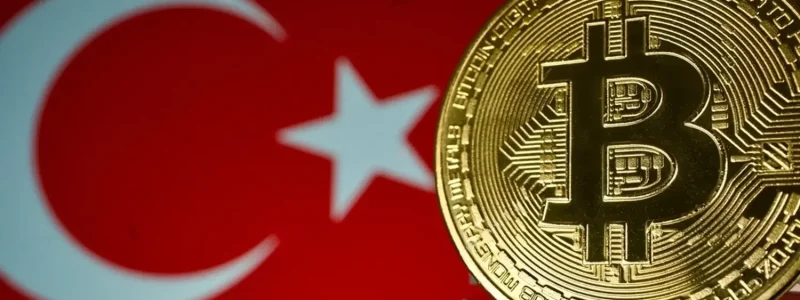
IS CRYPTOCURRENCY LEGAL IN TURKEY? What Investors Should Know About Turkey’s New Crypto Adoption Bill The new draft bill on Crypto in Turkey, when passed, is going to bring important changes, starting with the amendment of the Law on Capital Markets numbered 6362. This legal...

Crypto Fraud in Turkey Foreign investors are increasingly exposed to crypto-related fraud schemes in Turkey, particularly through unregulated exchanges offering unusually favorable rates, low fees, and aggressive incentives. These platforms often operate without a legal entity, regulatory oversight, or identifiable banking infrastructure within Turkey. This...