
Full Refund of Property Sale Price in Turkey
How is Unjustified Enrichment Defined in Turkish Law?
Unjustified enrichment means that one party, through its assets or effort, increases another party’s assets (or decreases its debts) on an unjustified reason. This unjustified reason is usually a contract which is invalid, void, terminated or withdrawn. By law, the party who is unjustifiably enriched must return all these monies and assets (the amount by which it is enriched) to the party from whom the said monies and assets came.
Attorney Video Briefing
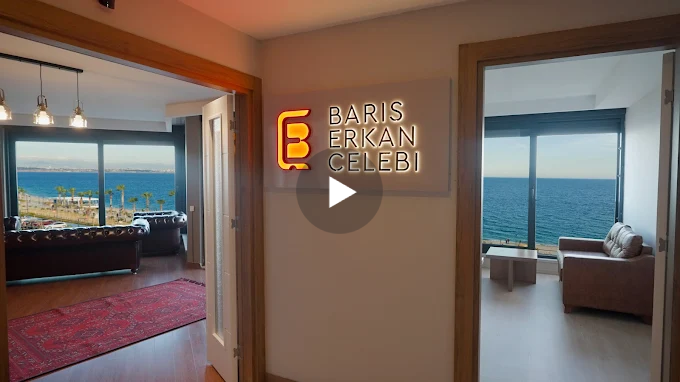
In this video, Baris Erkan Celebi explains how foreign property buyers can pursue compensation and litigation when a construction project in Turkey goes wrong. The viable claim is determined by two factors: whether the title deed (tapu) has already been transferred, and whether the property is unfinished, delivered, or delivered with serious defects. These circumstances shape whether the case proceeds as a refund claim, a compensation action for defects, a demand for title deed transfer, or contract termination.
Presented by Turkish Attorney Baris Erkan Celebi.
Common Scenarios of Unjustified Enrichment
The most common example of unjustified enrichment is when Party A promises to sell a property to Party B, and Party B pays the price of the property to Party A, and then Party A fails to deliver the ownership of the property to Party B for whatever reason. In this case, Party A is considered to be unjustifiably enriched. When it comes to the existence of enrichment, the reason for Party A’s failure to deliver the ownership is of no importance. Whether Party A deliberately avoided fulfilling its obligation to transfer the ownership or Party B withdrew from the contract without any valid grounds, Party A is still unjustifiably enriched through the payments from Party B; the reason for Party A’s failure to transfer the ownership only affects whether or not Party A is entitled to partial compensation of its provable losses.
Real Estate Contracts and Unjustified Enrichment
In Turkish law, real estate sale contracts are only valid if they are made in Land Registry Offices (Tapu), drafted by land registry offices and signed before land registry offices. Any other form of written or verbal contract of real estate is considered to be null and void. Therefore, if a party (e.g. the buyer of the real estate) pays any amount of money to the seller or a real estate agent, whether it is called “non-refundable” deposit, commission or the sale price of the real estate, unless the transaction is formally completed by an official real estate sale contract signed in Land Registry Offices (Tapu), the parties must return all the monies they have received based on this void contract of sale.
Liabilities and Rights Under Unjustified Enrichment
Under the provisions of unjustified enrichment, it matters not whether the enriched party is at fault or not. On the other hand, whether the suffering party is at fault or not affects the enriched party’s right to set off its provable losses, arising from the fault of the suffering party, from the reimbursement which is to be paid to the suffering party.
Exceptions to Reimbursement Obligations
Under the provisions of unjustified enrichment, the enriched party is considered to have defaulted on its debt to return the monies and assets (the amount by which it is enriched) to the party from whom the said monies and assets came, on the date of the enrichment, without needing any notification or notice of default. However, there are exceptions to the aforementioned rules where the enriched party may refuse to reimburse the suffering party. Debts paid after the expiry of the statute of limitation, and debts paid due to an unlawful or immoral contract, can be considered a few examples to these exceptions.
Legal Actions Against Unjustified Enrichment
A party who suffers losses by causing the unjustified enrichment of another party may claim its losses, together with its due interest, from the other party and sue for the reimbursement of all the monies and assets that have been paid to the enriched party. Antalya Lawyer Baris Erkan Celebi and his Law Firm in Antalya offer services for claiming compensation due to unjustified enrichment by filing lawsuits against the unjustifiably enriched parties, demanding and collecting the reimbursement of all the monies and assets that have been paid to the enriched party, together with their due interest accruing from the date of the payment.
- Author Av. Baris Erkan Celebi
- Barış Erkan Çelebi Founder of Turkish Law Firm

HOW TO EVICT A TENANT IN TURKEY How Can an Apartment Owner Evict the Tenant According to Turkish Law? Turkish civil law, similar to the laws in many other Continental European countries, places a strong emphasis on tenant rights. Recognizing that landlords often hold a...

Medical Malpractice Laws in Turkey: Botched Surgeries and Patient Rights Medical malpractice laws in Turkey provide guidelines for addressing instances of medical negligence. Medical malpractice laws are important for understanding the rights and options available to patients who have experienced harm due to medical errors,...

Lawyer Baris Erkan Celebi I. INTRODUCTION Expert opinion (also known as scientific opinion or special opinion) has been regulated for the first time by Article 293 of the Code of Civil Procedure No. 6100 (“CCP”). According to Article 293, each party may obtain a scientific...